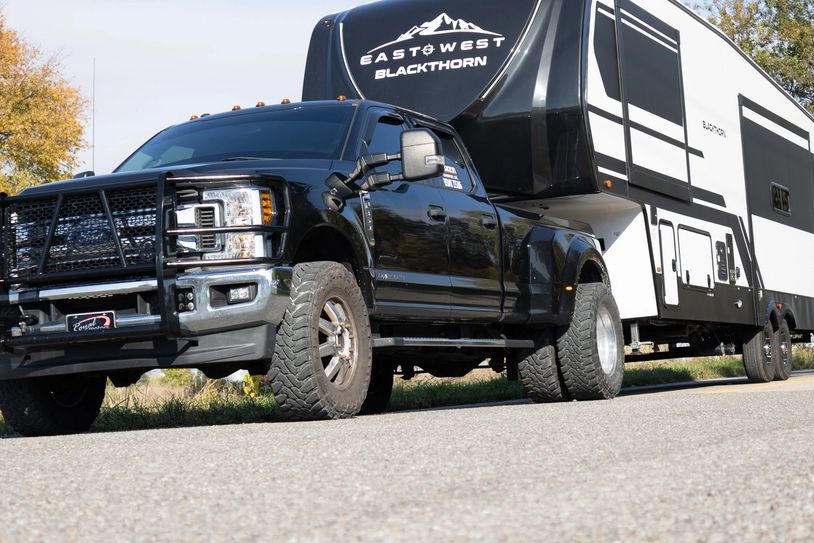
Florida is one of the premier destinations in the United States for RV enthusiasts, seasonal snowbirds, and permanent relocators. With year-round sunshine, thousands of miles of coastline, and an abundance of world-class RV resorts, it is no surprise that the demand for reliable 5th wheel RV transport in Florida is incredibly high. Whether you are buying a massive new rig from an out-of-state dealership, migrating south for the winter season, or relocating your camper across the Sunshine State, understanding how professional heavy hauling works is crucial.
This comprehensive guide covers everything you need to know about 5th wheel RV transport, from typical per-mile costs and major transit routes to strict Florida state regulations and essential preparation tips.
When it comes to relocating a 5th wheel camper, owners generally rely on two primary methods of professional transport. Because 5th wheels utilize a specialized kingpin hitch system that mounts inside the bed of a truck—rather than a standard rear bumper hitch—they require specific equipment and experienced handlers.
Because 5th wheels tend to be much heavier, longer, and taller than standard travel trailers, moving them safely requires drivers who understand the unique pivot points, payload capacities, and turning radiuses associated with heavy loads.
Florida enforces specific legal limits for recreational vehicles traveling on state highways. Navigating these Department of Transportation laws is a vital part of 5th wheel RV transport. The maximum legal dimensions for RVs in Florida, without requiring a special oversize permit, are:
If your 5th wheel exceeds these standard limits—which is common for luxury toy haulers or extended models—your transport company must obtain an Oversized Load Permit from the Florida Department of Transportation. Operating an oversized RV without the proper legal permits is a serious offense, and Florida law dictates penalties of up to $1,000 per violation depending on the severity of the infraction.
Permitted oversized loads face strict travel restrictions. They are generally prohibited from traveling during specific rush hours (such as 7:00 AM to 9:00 AM and 4:00 PM to 6:00 PM in high-traffic counties like Miami-Dade or Hillsborough). They are also barred from the roads on major holidays, including Thanksgiving, Christmas, and New Year's.
Additionally, if your route involves the Florida Turnpike, you must be aware that the Turnpike enforces a strict maximum limit of 12 feet wide and 13.5 feet high. Toll charges for a multi-axle setup on the Turnpike will also add roughly 20 to 25 cents per mile to the trip's cost.
Florida’s unique peninsula geography funnels most heavy transport along a few major highway arteries. Professional drivers know how to navigate these corridors and anticipate localized hazards.
Running down the Gulf Coast, this is the primary route for 5th wheels arriving from the Midwest. Transporters must monitor weather closely, as stretches of I-75 near Naples and across Alligator Alley can become flood-prone or experience severe crosswinds during the summer rainy season.
The undisputed main artery for East Coast transports, connecting the Northeast directly to popular destinations like Daytona Beach, the Space Coast, and South Florida. Traffic density and aggressive driving are the primary challenges here.
Crossing the Florida Panhandle from east to west, this mostly flat, straight route is vital for shipments arriving from Texas or the American Southwest.
Delivering a 5th wheel down to the Florida Keys is an incredibly unique challenge. The Overseas Highway features high, sustained crosswinds coming directly off the ocean, which can easily unsettle tall 5th wheels. Experienced transporters rely on heavy-duty stabilizers and strictly monitor wind advisories before crossing the bridges toward Key West.

A moving 5th wheel experiences constant vibrations on the highway. Secure all loose interior items, empty the refrigerator, tape cabinet doors shut, and ensure all slide-outs are fully retracted and mechanically locked. Outside, ensure all awnings, antennas, and storage hatches are tied down tightly.

Disconnect all shore power, water hoses, and sewer lines. Ensure your propane tanks are turned off and securely fastened. You should also drain all holding tanks (fresh, gray, and black water) to reduce unnecessary weight and prevent internal sloshing.
.png/:/rs=w:600,cg:true,m)
If you are utilizing a tow-away service, your trailer's tires will be doing the work. Check them for proper tread depth, signs of dry rot, and correct inflation pressure. A blowout during a highway transport can cause severe delays and catastrophic damage.
.png/:/cr=t:0%25,l:0%25,w:100%25,h:100%25/rs=w:600,cg:true)
Take comprehensive, date-stamped photographs of the interior and exterior of your 5th wheel prior to the driver taking possession. This documentation provides vital evidence in the rare event that you need to file an insurance claim for in-transit damage.
Not all transport brokers and carriers are created equal. When selecting a company for your 5th wheel RV transport, always verify their legal credentials. Ensure they have an active USDOT number and are fully licensed by the Federal Motor Carrier Safety Administration (FMCSA).
Request proof of comprehensive cargo insurance to guarantee your expensive investment is fully protected while navigating the interstates. Finally, read reviews to find a carrier with proven, specific experience in hauling heavy, high-profile 5th wheels safely through Florida's unique traffic patterns and intense weather conditions.
Please reach us at support@suncoastboathaulers.com if you cannot find an answer to your question.
For personal, non-commercial use, Florida generally exempts recreational vehicles from Commercial Driver's License (CDL) requirements under Florida Statute 322.53, even if the combined gross vehicle weight rating of your truck and trailer exceeds 26,001 pounds. However, commercial transport companies hauling for hire must possess all appropriate commercial licenses.
Transit times depend heavily on the total distance. For regional hauls under 1,000 miles, delivery typically takes between 2 and 5 days. Longer, cross-country hauls (such as from the Pacific Northwest down to Florida) can take anywhere from 6 to 10 days, depending on weather conditions and strict federal drive-time regulations.
Florida law does permit passengers to ride inside a 5th wheel trailer while it is being towed, provided the trailer is equipped with safety glass, an audible or visual communication device connected to the tow vehicle, and at least one exit that can be opened from both the inside and outside. However, commercial transport companies strictly forbid passengers from riding in the trailer for liability and safety reasons.
Suncoast Boat Haulers
support@suncoastboathaulers.com
We use cookies to analyze website traffic and optimize your website experience. By accepting our use of cookies, your data will be aggregated with all other user data.